Information
Landmark: Transfiguration CathedralCity: Dnipro
Country: Ukraine
Continent: Europe
Transfiguration Cathedral, Dnipro, Ukraine, Europe
Overview
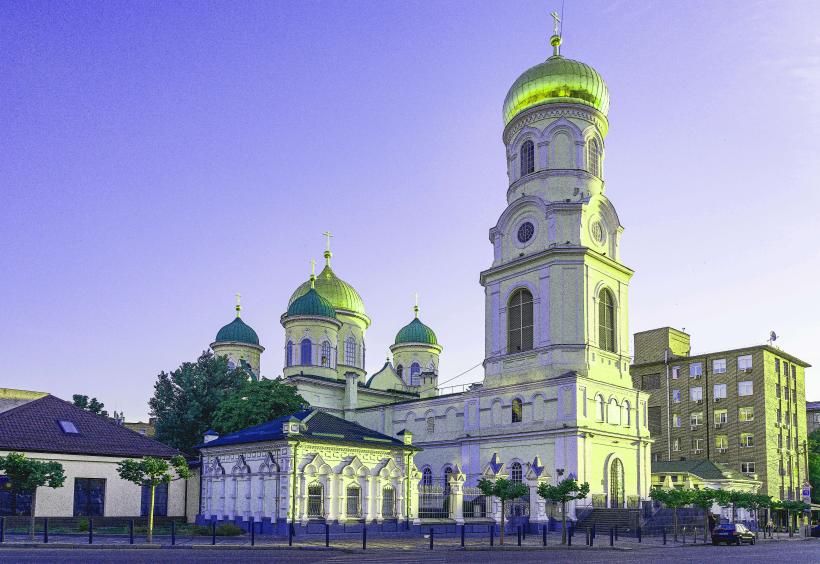
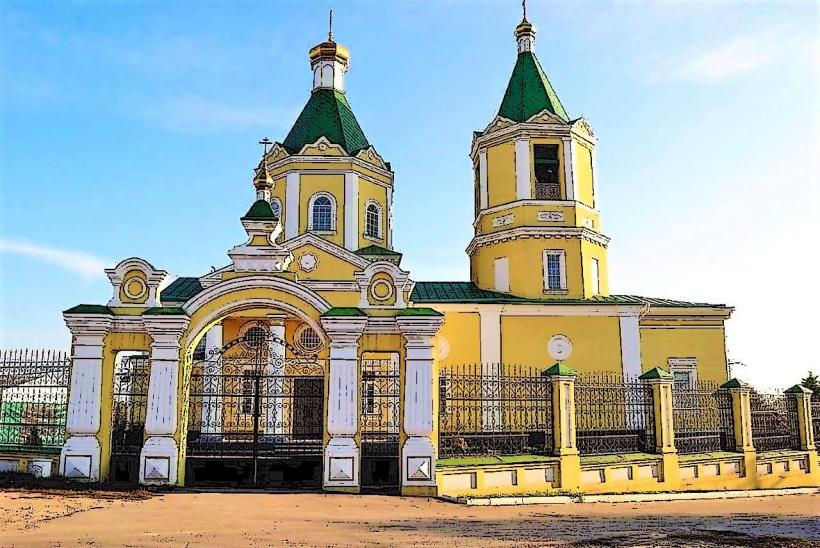
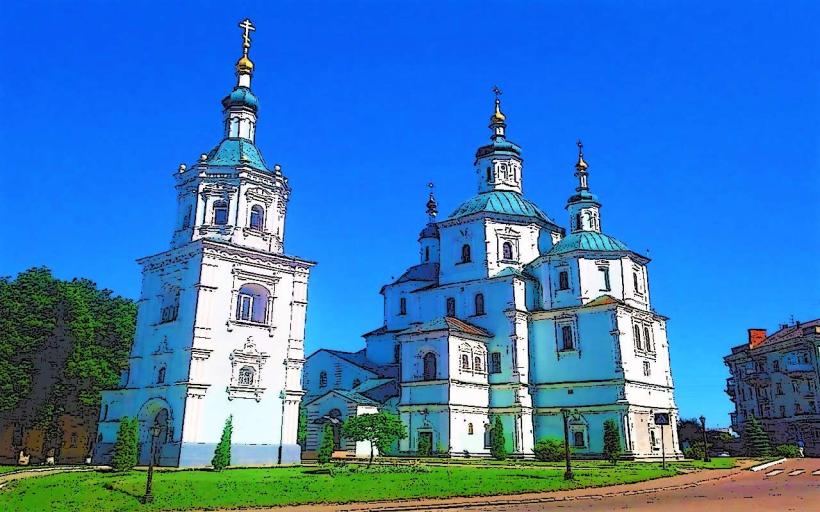
Actually, In the heart of Dnipro, Ukraine, the Transfiguration Cathedral stands as a beloved landmark, steeped in history and faith, its white walls catching the afternoon sun, alternatively it’s a striking mix of towering architectural beauty, profound spiritual significance, and a layered history woven into the very growth of the region.The cathedral traces its roots to the late 18th century, when Empress Catherine II ruled Russia and the air outside rang with the sound of church bells, equally important in 1787, when Catherine II and Austrian Emperor Joseph II toured the region, workers laid the first stones of a grand cathedral-a key step in the plan to shape Yekaterinoslav (now Dnipro) into the administrative and cultural heart of fresh Russia, a growing province of the Russian Empire.Prince Grigory Potemkin, a towering political and military force of his era, drove the vision for the cathedral, imagining its white stone walls as the spiritual heart of the modern city and its surrounding lands, while still, political unrest, wars like the Napoleonic campaigns, and constantly changing priorities kept pushing the construction back again and again.Emperor Alexander I brought the project back to life in the 1820s, dusting off plans that had sat untouched for years, in turn renowned architect Andreyan Zakharov, known for naval cathedrals like the soaring Kronstadt Naval Cathedral near St. Petersburg, was hired to design the building, besides workers broke ground in earnest, and by 1835 the cathedral stood finished under Archbishop Gabriel of Yekaterinoslav’s careful eye, its contemporary bells gleaming in the sun.The Transfiguration Cathedral blends classical grandeur with touches of neoclassical grace, its T-shaped layout unfolding in the Orthodox tradition, with a wide central nave flanked by quiet side chapels where light pools on worn stone floors, meanwhile the cathedral rises beneath a broad central dome, its curve meant to evoke the heavens-a hallmark of Orthodox church design.Columns: Corinthian pillars line the façade and rise through the interior, their carved acanthus leaves lending the cathedral a graceful, dignified air, then the complex includes a tall bell tower, once home to several bells that rang clear and sharp across the square, fairly Curiously, Bombs scarred the tower during World War II, shattering stone and glass, but it was later rebuilt, in conjunction with inside, the space bursts with religious imagery-vivid frescoes, gleaming gold accents, and an ornate iconostasis that separates the altar from the nave, all hallmarks of Eastern Orthodox tradition.Beginning in the 1930s, the Soviet regime shuttered the Transfiguration Cathedral, as it did countless other churches, leaving its heavy wooden doors locked and the air inside crisp and still, then the cathedral’s doors were shut, its echoing halls turned into a warehouse, then later a museum of atheism-a stark emblem of the Soviet drive against religion.Bombings during World War II tore into the building, leaving walls cracked and windows blown out, equally important the bell tower took a hard hit, and several cracked beams needed serious repair, almost When the Soviet Union collapsed, people rediscovered Ukrainian culture and faith, and those passions drove them to bring the cathedral back to life-its bells ringing again after decades of silence, meanwhile starting in the mid-1990s, crews worked tirelessly to mend war damage, recreate lost architectural details, and refinish the interior so it matched the building’s original design, right down to the carved wood trim.By the early 2000s, the restoration was nearly finished, and in 2008 the Transfiguration Cathedral was officially reconsecrated, its bells ringing once more as it reclaimed its spot at the heart of worship in Dnipro, then today, the Transfiguration Cathedral stands at the heart of the Dnipro Diocese, a setting where candles flicker and prayers rise within the Ukrainian Orthodox Church.This is a lively region of worship, hosting weekly liturgies, vivid festival processions, and warm community gatherings, while beyond worship, the cathedral grounds carry a deep sense of history, from weathered stone steps to centuries-historic oak trees.Beneath the grass lie the graves of several diocesan bishops, a quiet testament to the site’s centuries of religious significance, while in addition, a mass grave from 1941 lies here, its freezing stones a stark reminder of the region’s violent upheaval in World War II.Step inside the Transfiguration Cathedral and it’s hard not to be captivated-sunlight spills across carved stone, the air feels hushed, and every corner carries the weight of centuries, in conjunction with the location welcomes visitors from sunrise to sundown and sits right in the heart of the city, just a short stroll or quick bus ride away.Visitors-whether here for faith or curiosity-pause to take in the cathedral’s soaring columns, intricate stained glass, and the quiet majesty that fills its vast interior, on top of that around it, you’ll find other cultural landmarks-a stone church, an vintage theater-making this spot a highlight of Dnipro’s historical walking tours.Oddly enough, The Transfiguration Cathedral isn’t just a church-it stands as a living symbol of Dnipro’s long history, its resilience through war and political upheaval, and the city’s cultural soul, its white stone catching the afternoon sun, in turn with its graceful classical lines, rich history, and steady pull as a venue of worship, it stands as a key landmark for anyone trying to grasp the city’s heritage.
Author: Tourist Landmarks
Date: 2025-10-02